



5 Signs You Need a New Roof
5 Signs You Need a New Roof: A San Antonio Homeowner's Guide
Your roof is one of the most important and most expensive parts of your home. But here's the thing: most homeowners don't think about their roof until something goes wrong. Then suddenly, you're staring at a water stain on your ceiling, calling three contractors for emergency quotes, and wondering how much this is going to cost. The good news? You don't have to be caught off guard. If you know the warning signs, you can plan ahead, budget properly, and avoid the panic. In this guide, we'll walk you through 5 clear signs that it's time to replace your roof and what to do about it.
Sign #1: Your Roof Is Getting Old (20-25 Years)
Let's start with the most obvious one: age.
Most residential roofs in San Antonio, whether they're asphalt shingles, clay tiles, or concrete, have a lifespan of 20-25 years. Some last longer, some shorter, but that's the average. Why? Because weather, UV rays, temperature swings, and occasional hail all take their toll over time. In San Antonio's heat, roofs age faster than in cooler climates.
Here's the thing: Even if your roof looks fine, if it's approaching 20 or more years old, you should start thinking about replacement within the next few years. Repairs become more expensive as roofs age, and you'll never know when a major leak happens.
What to do:
- Check your home's records or ask previous owners when the roof was installed
- If you don't know, get a free inspection. We can tell you the approximate age based on materials and wear patterns
- Start budgeting now instead of waiting until an emergency forces your hand
Timeline: If your roof is 20-25 years old, plan for replacement this year or next.
Sign #2: Missing, Cracked, or Curling Shingles
This one's easy to spot if you know what to look for.
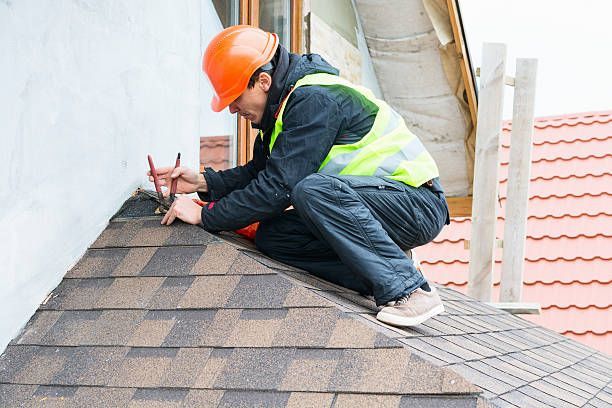
Walk around your property and look at the shingles from the ground. Use binoculars if you have them. Don't climb on the roof yourself.
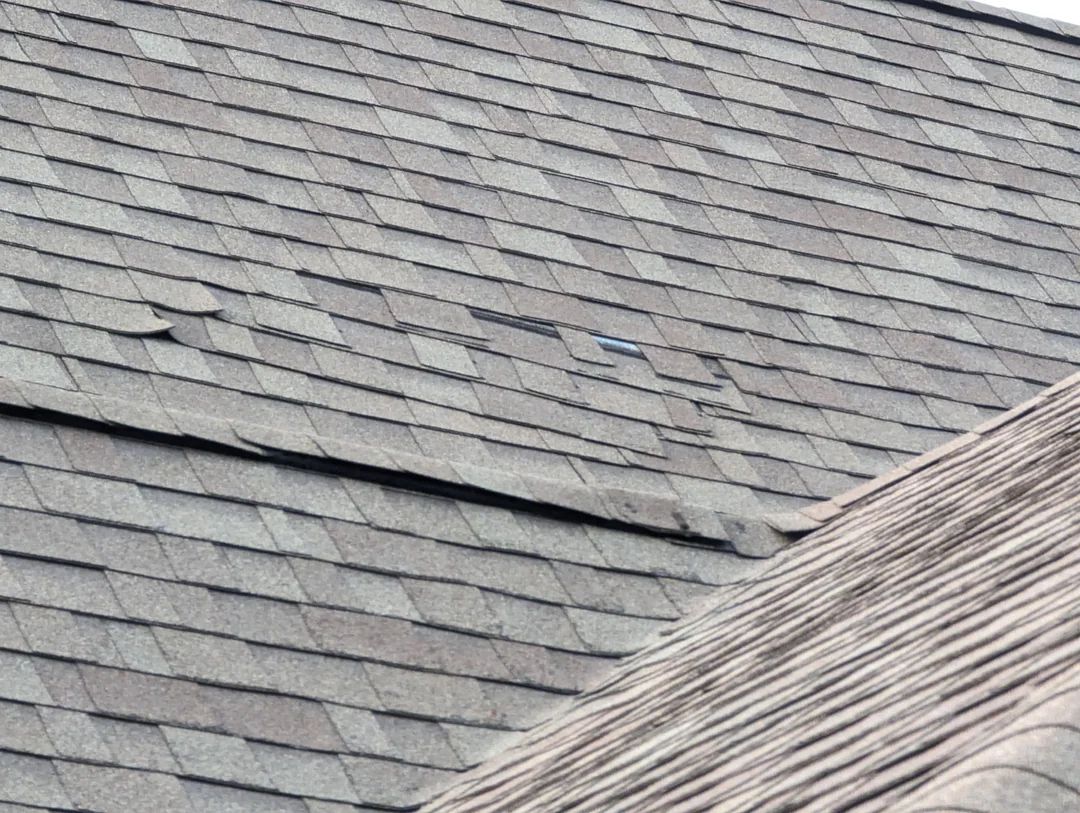
Look for missing shingles with obvious gaps where they've blown off. Watch for curling shingles with edges that look like they're curling up. Check for cracked shingles with visible cracks or splits in the material. Also look for bald spots where the protective granules have worn away, leaving dark spots.
Even a few damaged shingles might seem like a repair job, but here's the reality: if you're seeing damage like this, it's often a sign your roof is aging and deteriorating across the board. One repair can lead to three more repairs six months later.
The real problem is damaged shingles expose the underlayment beneath them. That's where water gets in. And once water starts leaking into your attic or walls, repair costs skyrocket.
What to do:
- If you see a few damaged shingles and your roof is under 15 years old, roof repair services might work
- If you see widespread damage or your roof is 15 or more years old, replacement is smarter than patching
- Don't ignore this. Water damage only gets worse
Timeline: Address this within a month. The longer you wait, the more damage can occur internally.
Sign #3: Leaks or Water Stains Inside Your Home
This is the big one. If you're seeing water stains on your ceiling or noticing drips inside your home, especially after rain or storms, your roof has already failed in that spot.
Common signs include brown or yellow stains on ceiling or walls, wet spots in your attic, mold or mildew growth, musty smells in the attic or upper floors, and water pooling in corners of rooms.
Here's what's happening: water is getting past your shingles, through the underlayment, and into your home's structure. This isn't just a roof problem anymore. This is a water damage, mold, and structural damage situation.
Why it matters: Water damage inside a home is exponentially more expensive to fix than roof damage. You might be looking at ceiling repairs, insulation replacement, mold remediation. Thousands in damage. The longer a leak goes unfixed, the more damage spreads.
What to do:
- Get a roofing professional to inspect immediately
- We'll find the leak source and assess whether it can be repaired or if you need a replacement
- Don't try to fix this yourself. Improper repairs lead to more leaks
Timeline: This is urgent. Call for an inspection within days of noticing water inside.
Sign #4: Granule Loss (You'll See It in Your Gutters)
This one's subtle, but it's a clear warning sign.
Asphalt shingles are covered in small pebbles called granules. These protect the shingle from UV rays and weather. As shingles age, these granules break down and wash off.
Where to look: Check your gutters and downspouts. If you see a pile of dark, sand-like material, that's granule loss.
Why it matters: Granules aren't just decorative. They're your shingle's first line of defense. Once they're gone, the shingle underneath is exposed to direct sunlight and weather. The shingle deteriorates faster, cracks sooner, and leaks start.
A little granule loss is normal on a roof that's a few years old. But significant granule loss means your roof is aging quickly and nearing the end of its lifespan.
What to do:
- If you see minor granule loss and your roof is under 15 years old, you're probably fine
- If you see heavy granule loss or your roof is 15 or more years old, start planning for roof replacement
Timeline: Check your gutters twice a year. If granule loss is accelerating, get an inspection.
Sign #5: Your Roof Is Sagging
This is the most serious sign on this list.
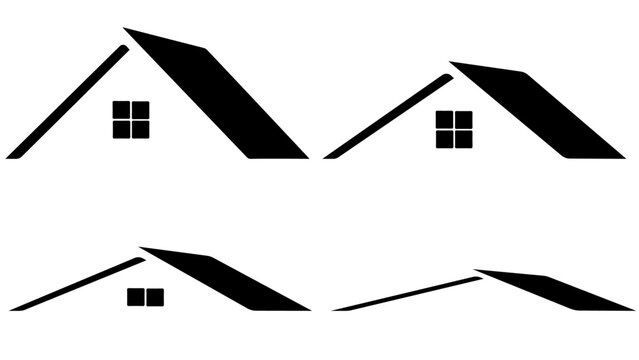
A sagging roof means the structure underneath is failing. Either the roof deck, the trusses, or both. This isn't a shingle problem. This is a structural problem.
What it looks like: The roofline appears to dip or sag in the middle. It's visible from the ground or from inside the attic. One section lowers while others stay level.
Why it matters: A sagging roof is at immediate risk of collapse, especially if it has heavy snow loads or catches heavy rain. This is a safety issue.
What to do:
- Do not wait on this. Call a roofer immediately for inspection
- This almost always requires full roof replacement
- Your insurance company should be notified
- This is a structural repair, not just a roof repair
Timeline: If you notice sagging, get an inspection within days. This is an emergency.
What If You're Not Sure?
Here's the bottom line: If you're wondering whether you need a new roof, get a professional inspection.
We offer free roof inspections in the San Antonio area. We'll climb up there, look at everything, take photos, and tell you exactly what you need. No pressure, no sales pitch. Just honest assessment.
Most of the time, we can tell you how much life your roof has left, whether repairs will work or if replacement makes more sense, and what to budget for.
It's free. It takes 20-30 minutes. And it'll give you peace of mind.
Ready for Your Roof Inspection?
If you've spotted any of these signs, or if your roof is just getting old and you want to know where you stand, call Alexander's Roofing for your free inspection.
(210) 436-1135
We'll assess your roof, discuss your options, and give you a no-obligation quote. Whether you need a quick repair or a full replacement, we've got you covered.
San Antonio's been trusting Alexander's Roofing for over 40 years. Let's make sure your roof and your home are protected.